The AV industry has spent years complaining that clients treat production services like a commodity. Then we hand them proposals that make it almost impossible to evaluate anything except the final price.
A typical proposal may include dozens of pages, polished renderings, equipment descriptions, labor categories, bundled services, list prices, and multiple layers of discounts. The document looks substantial, but the client is often left with a basic question: What am I actually paying for?
The experience is not that different from shopping at a stereotypical used car lot.
There is a price on the window, but everyone knows that is probably not the real price. The salesperson offers a discount, then speaks with a manager, then returns with another number. Fees appear, allowances change, and the buyer is encouraged to focus on the final payment rather than the underlying economics of the deal.
By the time the paperwork is finished, the customer may know what they agreed to pay, but they still do not know whether the price was fair, whether someone else would have received a better deal, or how much room was built into the original number.
Many AV proposals create the same uncertainty.
We Have Trained Clients to Price-Shop
Production companies often view competitive RFPs as evidence that clients do not value expertise, partnership, or experience. There is some truth to that. Procurement processes can reduce a complex production to a spreadsheet, and clients do not always understand the differences between companies that appear similar on paper.
However, we also need to acknowledge our role in creating the problem.
Clients send the same RFP to multiple vendors because they do not trust any one vendor’s pricing to establish a reliable market value. When every company uses its own combination of inflated list prices, equipment discounts, package rates, labor markups, bundled services, and negotiable fees, the client has no clear way to determine whether a proposal is reasonable.
Collecting several bids becomes the closest thing they have to price verification.
Opacity does not create loyalty. It creates comparison shopping.
When clients cannot understand how a price was developed, they focus on the one number they can compare. That is usually the total at the bottom of the proposal. Production companies then become frustrated that their expertise has been reduced to a commodity, even though the pricing structure itself may be directing the client toward that conclusion.
A proposal should help the client understand the value of the company delivering the work. Too often, it does the opposite. It overwhelms the buyer with information while hiding the business logic behind the price.
Discounts Are Not the Same as Value
A large discount may feel like a useful sales tool. It creates room to negotiate, allows the salesperson to demonstrate flexibility, and gives the client the impression that they have secured a favorable deal.
The problem is that many clients understand exactly how that game works.
When a proposal shows a 40 percent, 50 percent, or 60 percent discount from a price no one was ever expected to pay, the discount does not necessarily communicate generosity. It may communicate that the original number was artificial.
That introduces doubt into the relationship before the project has even begun.
The client may wonder whether the discount is standard, whether it was created specifically for them, or whether an even lower price would appear if they pushed harder. A buyer who accepts the first proposal may feel that they failed to negotiate. A buyer who negotiates aggressively may receive a better price without any meaningful change in scope.
Neither outcome supports trust.
The company is also left managing the consequences of its own pricing strategy. Salespeople become responsible for protecting margins through negotiation rather than presenting a price the business can confidently defend. Clients learn that the first number is only a starting point. Every revision becomes another opportunity to ask for concessions.
This is not a strong foundation for a partnership.
A Better Model Already Exists
The AV industry does not need to invent a completely new way to price complex projects. General contractors have been using a more transparent model for years.
The structure is relatively simple. Begin with the real cost of delivering the work. Apply a clearly established margin. Add a separate management fee that reflects the responsibility of planning, coordinating, and executing the project.
The client can see the logic behind the price. The company can explain how the number was developed. Most importantly, the formula remains consistent.
What changes is the scope of work, not the pricing philosophy.
When a client removes a room, shortens the schedule, reduces the number of rehearsals, or simplifies the production design, the cost changes accordingly. When the project becomes more complicated, the price increases using the same methodology.
There is no need to inflate the opening number so there is room for a dramatic discount. There is no need to make the pricing formula dependent on how aggressively the client negotiates.
The conversation becomes more productive because both sides can focus on the decisions that actually affect the project.
Management Is a Service, Not a Hidden Markup
One of the most important parts of this model is the separate management fee.
Event production companies provide much more than equipment and labor. They coordinate technical planning, production schedules, venues, vendors, crews, rehearsals, documentation, communication, and last-minute changes. They solve problems before the client knows those problems exist. They take responsibility for hundreds of decisions that determine whether the production is successful.
Those services have value.
Yet many companies bury that value inside equipment pricing or spread it across dozens of marked-up categories. The client sees the cost of a projector, microphone, technician, or scenic element, but not the cost of the leadership required to make all those pieces work together.
A clearly explained management fee corrects that problem.
It tells the client that project leadership is a professional service. It also gives the production company a more honest way to account for the time, expertise, systems, and responsibility required to manage the work.
That fee should not disappear simply because the client asks for a lower price. The work of managing the project still exists. The accountability still exists. The risk still exists.
The company may adjust the scope, but it should not pretend that management has no value.
Transparency Does Not Mean Giving Away the Business
Some owners resist transparent pricing because they assume it requires revealing every internal cost or allowing clients to decide what the company is permitted to earn.
It does not.
Transparency means the client can understand the structure of the price and why each category exists. It does not mean opening the company’s books or asking permission to make a profit.
A healthy margin allows an event production company to hire qualified people, maintain equipment, invest in systems, train its team, improve its processes, carry insurance, absorb risk, and remain financially stable. A company that cannot generate a reasonable profit is not a safer or more responsible partner simply because it submitted the lowest bid.
The issue is not whether margin belongs in the proposal. It does.
The issue is whether the pricing model is consistent, explainable, and connected to the actual work.
Clients are more likely to accept a profitable price when they understand what they are buying. They are less likely to trust a large total that appears to have been assembled from inflated numbers and arbitrary discounts.
Trustworthy Pricing Is Consistent Pricing
Companies frequently describe themselves as trustworthy, but trust is not established by including the word in a mission statement.
It is demonstrated through behavior.
A trustworthy proposal answers the questions the client actually asked. It explains what is included, identifies what is not included, and presents pricing that does not depend on how hard someone pushes back.
The same scope should produce the same pricing logic, regardless of the client’s negotiating style.
That consistency matters because buyers are paying attention to more than the total. They are watching how the company responds to questions, how clearly it explains changes, and whether the price seems to move without a corresponding change in the work.
When a company can explain exactly why the price changed, the conversation remains grounded in scope. When the price drops simply because the client objected, the client learns that the original number was never firm.
Trustworthy pricing removes that uncertainty.
It gives the salesperson a defensible position, the operations team a realistic budget, and the client a clearer understanding of what they are purchasing.
The Proposal Is Part of the Client Experience
Production companies often think of the client experience as something that begins after the contract is signed. In reality, it begins with the first conversation and becomes tangible when the proposal arrives.
The proposal tells the client how the company thinks.
It shows whether the company understands the project, whether it can communicate clearly, and whether it approaches the relationship as a transaction or a partnership. It also signals what future conversations about changes, budgets, and expectations are likely to feel like.
A confusing proposal creates more than a pricing problem. It creates doubt.
A transparent proposal gives the client confidence that the company has thought carefully about the project and understands the economics of delivering it well. It shifts the conversation away from manufactured discounts and toward scope, responsibility, and value.
Competitive bidding will not disappear. Some clients will always be required to collect several proposals, and some buyers will always choose the lowest number.
The goal is not to eliminate every RFP. The goal is to stop giving clients reasons to distrust the first number they receive.
Event production companies want to be treated like professional partners. Our proposals should reflect that standard.
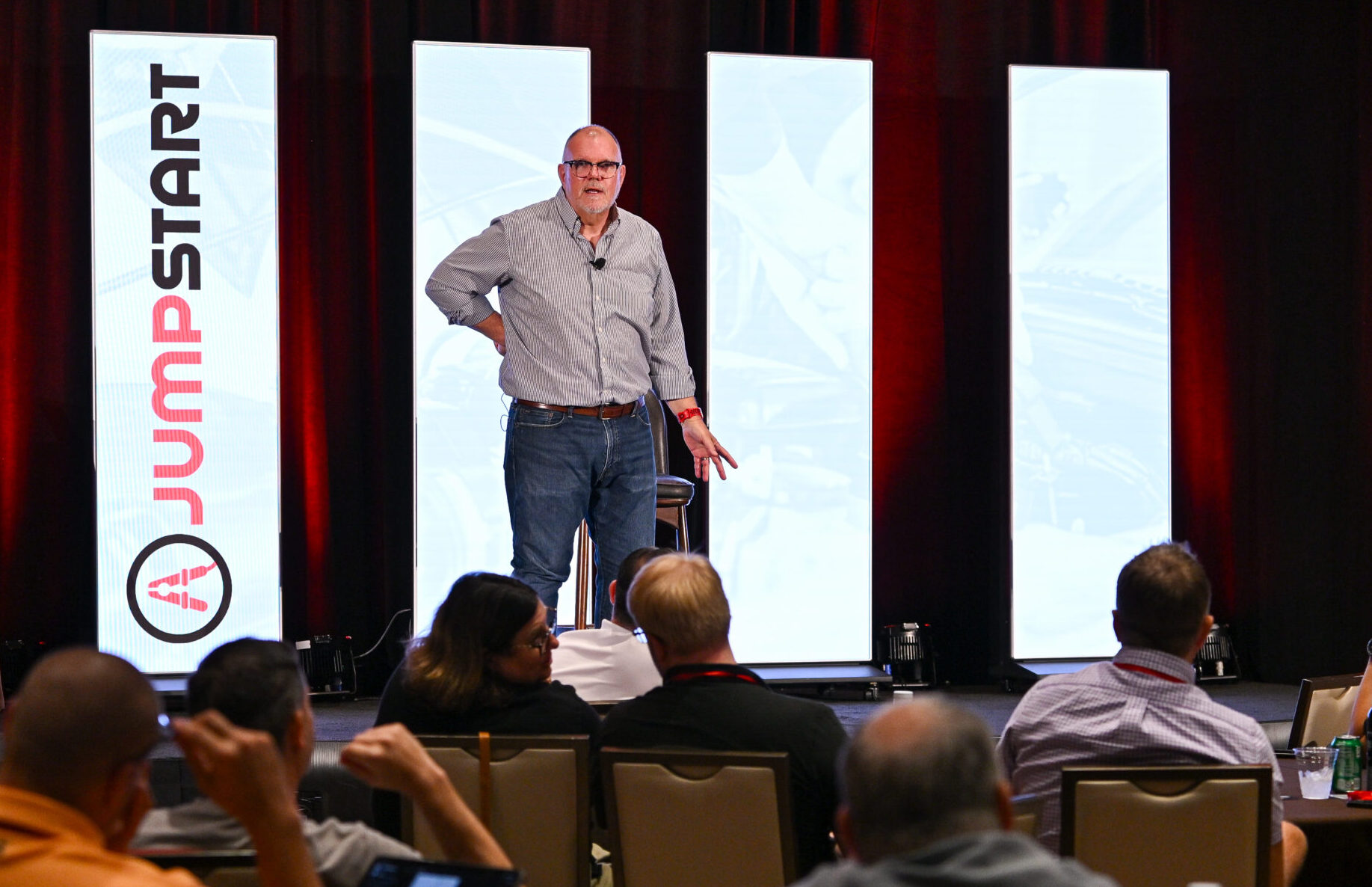
This article was inspired by Tom Stimson’s opening keynote session at Jumpstart Vegas in July 2026.
This is part of our ongoing Jumpstart Vegas recap series. Subscribe to the Jumpstart newsletter for more ideas and conversations from the owners and industry leaders who were in the room.